


Premium embroidery for hats, polos, jackets, bags, and more. 8-head machine, quality digitizing, and the texture that screen printing can't replicate.
Embroidery has more variety than most people realize. Here's what we do and when each method makes sense.

Our most-requested method. We embed foam under the stitches before sewing, creating a raised, dimensional effect that gives logos serious presence. Works especially well on structured hats, hoodies, and jackets.

The classic. Clean stitching directly on the fabric with no raised effect. Works on virtually any garment and holds up wash after wash. The most versatile option for logos, text, and detailed artwork.
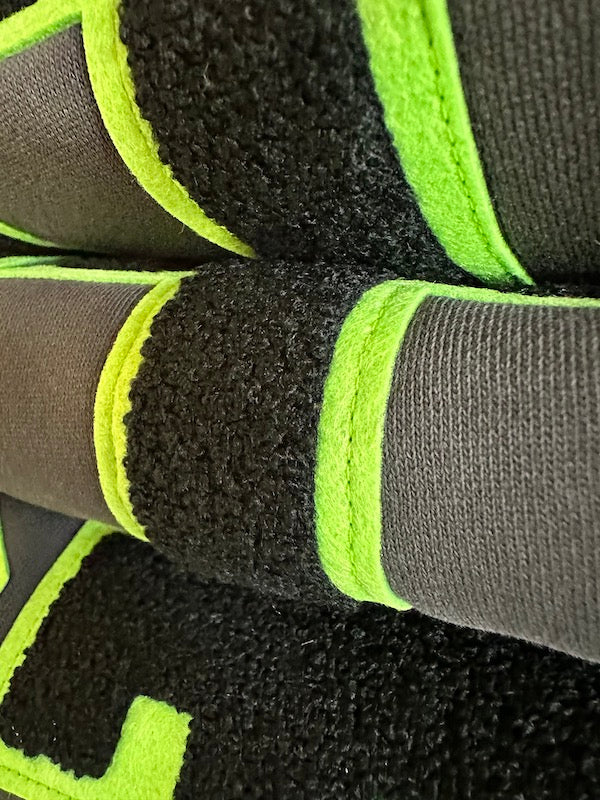
A raised element — fabric, felt, leather, or chenille — is stitched onto the garment and bordered with embroidery. Adds texture and dimension that flat stitching alone can't achieve. Pairs beautifully with 3D puff accents.

Patches made separately and then sewn, ironed, or velcro-attached to a garment. Great when you need the same design applied to multiple different items without re-hooping everything.

A textured yarn process that creates a soft, fuzzy, stadium-blanket feel. Very popular for varsity-style lettering and numbers. Often combined with felt appliqué for a full letterman look.

A debossed or laser-engraved patch made from leather or synthetic leather, stitched onto the garment. Adds a premium, branded feel to hats, bags, and outerwear that nothing else replicates.
Digitizing — converting your logo into a stitch file — is where most embroidery jobs win or lose. It's an art form, and a bad digitizer means a bad final product no matter how good the machine is. We did the homework so you don't have to.
Before any stitch hits fabric, your logo or artwork has to be converted into a format the embroidery machine can read — that's digitizing. A skilled digitizer takes your flat image and maps out every needle penetration, stitch direction, and thread path.
It sounds technical because it is. There are a lot of variables: fabric type, stitch density, needle size, pull compensation. A design that looks perfect on screen can pucker or distort on fabric if the digitizing isn't right.
We tested over 20 digitizing companies side by side with the same design before settling on the partner we use today. The quality difference was significant. Your logo deserves the version that came out on top.
Converting your design into a stitch file is a one-time cost — most shops charge for it and so do we. However, once your file exists, reorders are significantly cheaper because the work is already done.
For larger orders, we often absorb the digitizing cost into the order. For smaller runs, we'll be upfront about what to expect on the invoice.
Either way, you'll know the cost before we start — no surprises.
From logo to finished garment — here's the process, start to finish.
Share your artwork, the garment or item you want embroidered, quantity, and placement. Vector or high-res files preferred.
We have your design digitized and send you a digital proof showing stitch count, thread colors, and size before anything is sewn.
For new or complex designs, we sew a physical sample on matching fabric before running the full order. You approve it before we go.
We run the full order on our 8-head machine. Finished items are inspected, then ready for pickup in San Antonio or shipped to you.
Not all logos translate directly to embroidery — intricate gradients, very thin lines, and photorealistic artwork often need to be adapted. We'll tell you up front if anything needs to change.
3D puff, flat stitching, appliqué — a sample of what we produce.
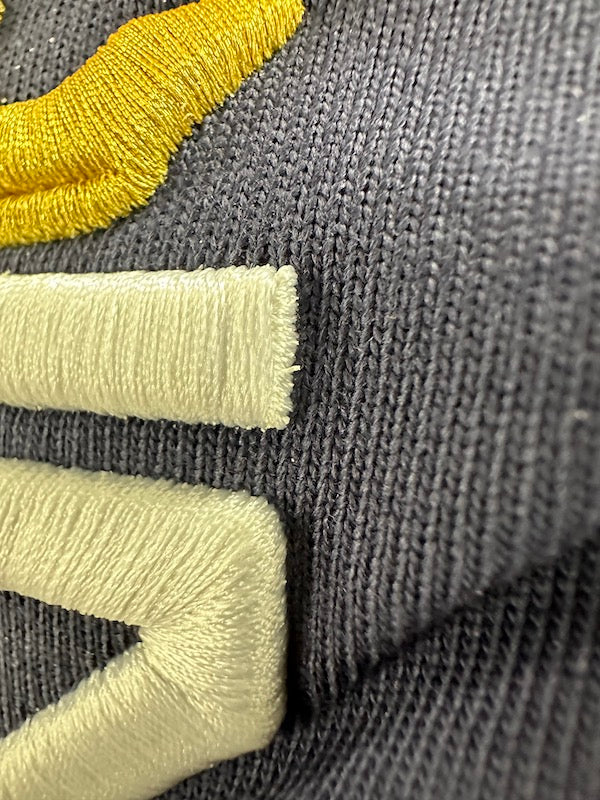 3D Puff — hat logo Embroidery detail Chenille appliqué
 Premium blanks ready
 Finished & packed
Share your artwork, what you want it on, and how many. We'll come back with a recommendation, thread color options, and a quote — no commitment required.